
How to Choose the Right Promotional Products for Your Business: A Complete Buyer’s Guide
Published on 17/12/2025 by Xpromo Team
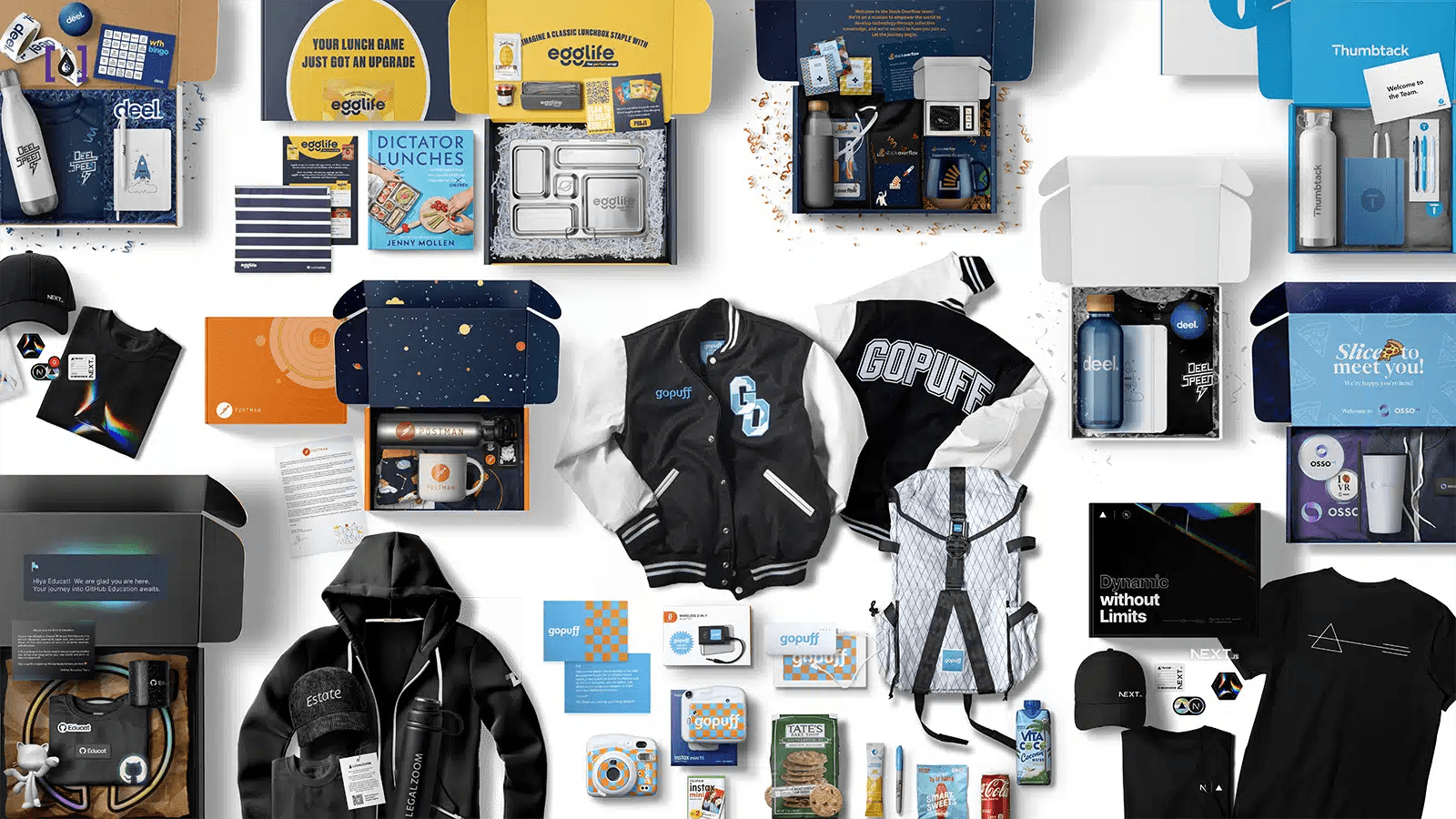
Choosing the right promotional products can significantly impact brand visibility, customer loyalty, and return on investment. This complete buyer’s guide is designed for business owners who want to make strategic, results-driven decisions when investing in branded merchandise. We break down how to align promotional products with business goals, target audiences, budgets, and brand values-while avoiding common mistakes that waste money and dilute brand impact.
Promotional products remain one of the most effective marketing tools available to businesses-when chosen correctly. Unlike digital ads that disappear once the budget runs out, branded merchandise continues to work for your business long after it’s been distributed.
However, not all promotional products deliver the same results. Selecting the wrong item can mean wasted spend, poor brand perception, and missed opportunities. This guide walks business owners through a structured, practical approach to choosing promotional products that actually support growth.
1. Define Your Business Goals First
Before selecting any product, be clear about why you’re using promotional merchandise. Different goals require different strategies.
Common business objectives include:
- Increasing brand awareness
- Generating leads
- Retaining existing customers
- Supporting product launches
- Enhancing corporate image
- Rewarding staff or partners
For example, a business focused on brand awareness may prioritise high-visibility items like tote bags or drink bottles, while a company focused on client retention may opt for premium, long-lasting products.
Tip: If you can’t clearly define the goal, you’re not ready to choose the product.
2. Understand Your Target Audience
The most effective promotional products are the ones your audience actually uses.
Ask yourself:
- Who will receive this product?
- What is their profession or lifestyle?
- Where will the product be used?
- What problem does it solve for them?
A tech-focused audience may value power banks or wireless chargers, while hospitality or retail clients might appreciate practical items such as notebooks, pens, or reusable cups.
Key rule: If the item doesn’t fit into your audience’s daily life, it won’t deliver value-or visibility.
3. Choose Practical Over Novelty
Novelty items may look appealing, but practicality drives long-term brand exposure.
High-performing promotional products typically:
- Are used repeatedly
- Have a long lifespan
- Are visible in public or professional environments
- Provide real utility
Examples of consistently effective products include:
- Drink bottles
- Tote bags
- Office stationery
- Apparel
- Tech accessories
A product used daily can generate thousands of brand impressions over its lifetime-far exceeding the impact of a short-term ad campaign.
4. Align the Product With Your Brand Image
Every promotional product is a reflection of your brand. Quality, design, and functionality all influence how your business is perceived.
Consider:
- Does this product match our brand positioning?
- Does the quality reflect our pricing and service standards?
- Would we be proud to give this to a key client?
Premium brands should avoid low-quality giveaways, while cost-focused businesses should still ensure products are functional and well-finished.
Your merchandise should reinforce trust, not undermine it.
5. Set a Realistic Budget (and Use It Wisely)
Promotional products are an investment, not an expense. Instead of focusing solely on unit price, consider cost per impression.
A slightly higher-cost item that’s used for years often delivers better ROI than a cheap product discarded after one use.
Budget planning should include:
- Product cost
- Branding method
- Setup fees
- Shipping and lead times
- Quantity discounts
A professional promotional supplier can help you maximise impact within your budget rather than simply offering the cheapest option.
6. Choose the Right Branding Method
How your logo is applied is just as important as the product itself.
Common branding options include:
- Screen printing
- Digital printing
- Embroidery
- Laser engraving
- Debossing
Each method affects durability, appearance, and perceived value. For example, laser engraving on metal products creates a premium, long-lasting finish, while embroidery adds value to apparel.
Consistency matters: Your logo placement, colours, and finish should align with your broader brand identity.
7. Consider Sustainability and Ethical Sourcing
Sustainability is no longer optional. Many business owners and customers actively prefer environmentally responsible products.
Eco-conscious promotional products can include:
- Reusable drinkware
- Recycled materials
- Organic fabrics
- Plastic-free packaging
Choosing sustainable options not only reduces environmental impact but also strengthens brand credibility and appeal-especially in B2B relationships.
8. Avoid Common Promotional Product Mistakes
Business owners often fall into the same traps when selecting merchandise.
Avoid:
- Choosing products based only on price
- Ignoring lead times
- Over-branding items with large, intrusive logos
- Selecting trendy items with short lifespans
- Ordering without samples or professional advice
Working with an experienced promotional products partner helps eliminate these risks and ensures your investment delivers measurable value.
9. Measure Results and Refine Your Strategy
Promotional products should be part of a broader marketing strategy, not a one-off decision.
Track:
- Distribution method
- Audience feedback
- Repeat orders
- Brand recall
- Lead or sales impact
Over time, this data helps refine your choices and improve ROI with each campaign.
Final Thoughts
Choosing the right promotional products is about strategy, not guesswork. When aligned with your business goals, audience needs, and brand identity, promotional merchandise becomes a powerful, long-term marketing asset.
For business owners, the key is working with a supplier who understands both branding and business outcomes-not just products.
If you approach promotional products with intention and expertise, they won’t just carry your logo-they’ll carry your brand forward.