
Event Merch Strategy for Corporate Marketing Managers: What to Order Before Your Next Trade Show
Published on 13/02/2026 by Xpromo Team
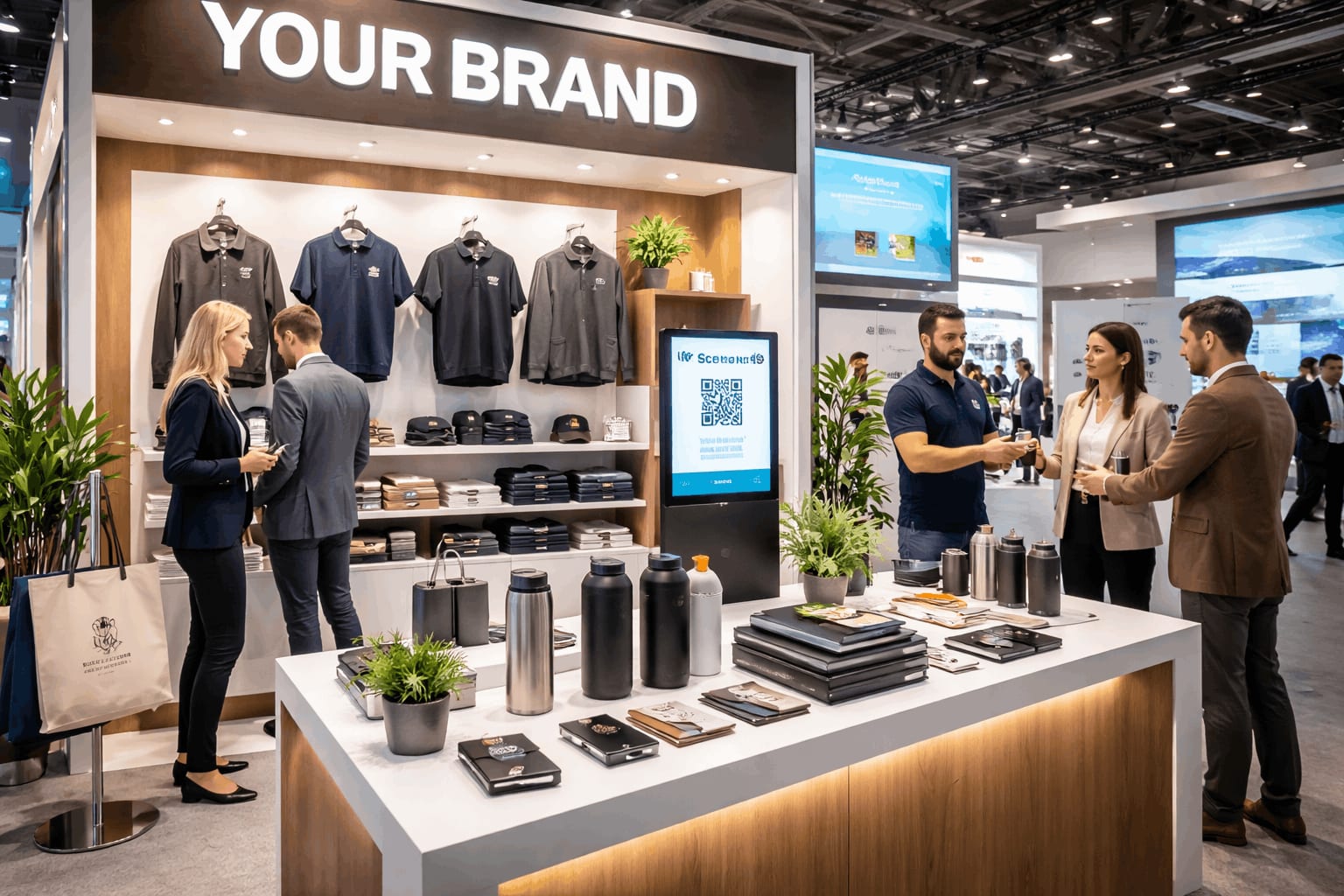
A strategic guide for corporate marketing managers on planning premium event merch for trade shows, what to order, when to order it, and how to maximize brand impact and ROI.
For corporate marketing leaders, trade shows aren’t just events, they’re strategic brand touchpoints that influence perception, generate high-quality leads, and create measurable ROI. But attending with “random freebies” won’t cut it anymore. In 2026, event merch needs purpose, premium quality, and alignment with broader marketing goals to support a brand’s strategic narrative and position your company as industry leadership.
🧠 Why Premium Event Merch Matters for Corporate Brands
Trade shows remain one of the most effective settings for in-person engagement. Corporate merch serves multiple strategic purposes:
- Brand visibility: Useful, premium items extend your brand beyond the booth floor.
- Lead capture support: Swag can serve as an incentive for attendees to engage and provide contact data.
- Brand perception: Quality merch signals brand value, cheap freebies dilute perceived premium positioning.
- Long-term recall: Studies show that attendees remember brands associated with practical, high-quality items much longer than with cheap tchotchkes.
📆 Planning Timeline: When to Order Event Merch
For most shows, plan 6 months in advance to secure design approvals, premium production slots, and delivery buffers.
Recommended timeline:
- 6-4 Months Before: Select products aligned with strategy and brand objectives.
- 4-3 Months Before: Finalize designs; confirm quantities with suppliers.
- 3-2 Months Before: Submit production order.
- 2-1 Months Before: Receive delivery; quality inspect; train booth staff.
Why this matters: premium merch often has longer lead times than generic promo items, especially for custom colors, engraving, or high-end materials.
🎯 What to Order: Strategic Event Merch Categories
1. Premium Corporate Apparel
Your staff is a living brand billboard, and apparel should reflect your corporate identity.
Best options:
- Branded polos or button-down shirts
- Custom jackets/quarter zips
- Tailored blazers with subtle logo embroidery
Why it matters: Professional attire drives trust and reinforces brand authority on the floor.
2. Tiered Giveaway Strategy
Instead of “one size fits all” swag, build a tiered merch strategy to signal value and encourage deeper conversations.
🥇 Tier 1: High-Value Items
- Reusable stainless steel tumblers
- Premium tech items (wireless chargers, power banks)
- Customized notebooks or premium leather accessories
Purpose: For qualified leads or key customers, items that feel like actual gifts, not freebies.
🥈 Tier 2: Standard Use Items
- Tote bags (preferably reusable/recycled materials)
- Quality pens with heavy metal finishes
- Drinkware with subtle logo engraving
Purpose: High-frequency items attendees will use daily.
3. Experience-Focused Merch
2026 trends show that trade shows are shifting toward immersive, experience-driven engagement, and your merch can support that narrative.
Examples:
- QR cards linking to branded AR experiences
- Interactive game tokens with branded prizes
- “Passport” merch kits that unlock exclusive content
These shift your merch from giveaway to engagement tool, encouraging social sharing and deeper brand connections.
📊 Aligning Merch with Marketing Goals
Brand Awareness
Choose merch that gets seen and used beyond the event:
- Tote bags with bold branding
- Reusable drinkware for daily use
- Apparel designed for everyday wear
These items continue promoting your message long after the show ends.
Lead Generation
Use merch as an incentive to:
- Sign up for demos
- Join email lists
- Attend presentations
Example: “Get a premium tech giveaway when you book a 15-minute demo.” This raises perceived value and pre-qualifies interactions.
📏 How Much to Order
Estimating right is critical, too few merchandise items limit reach; too many waste budget.
Rule of thumb:
- General swag: 25-30% of expected attendees
- Tier 1 premium items: 10-15% of booth interactions (exact quantities vary by show size and objectives)
Distributing in tiers helps control costs while ensuring premium items go to the most valuable leads.
📈 Measuring Success
To prove ROI to leadership, track:
- Leads generated per merch item distributed
- Engagement lift (e.g., QR scans tied to merch)
- Social shares / impressions tagged from event merch
- Post-show retention of merch recipients
Connect merch distribution data with lead scoring and sales outcomes for measurable impact beyond impressions.
🧩 Final Strategic Tips for Corporate Marketing Managers
- Order early: Premium partners book out months ahead.
- Avoid junk swag: High-use, high-value items build better brand associations.
- Connect to digital: QR codes and AR can elevate physical merch.
- Train your team: Staff should weave merch distribution into conversations, not just hand it out.
📍 Conclusion
Event merch is no longer an afterthought, when planned strategically, it enhances brand authority, attracts booth traffic, and drives measurable business outcomes. For corporate marketing managers focusing on premium positioning, tailoring your merch portfolio to match your brand values and audience expectations isn’t optional, it’s a competitive advantage.
❓ FAQs
Q1: Should I include merch for only staff or attendees too? Both. Staff apparel builds cohesion, while attendee merch extends brand visibility.
Q2: What’s the best time to distribute giveaways? After meaningful interaction, don’t hand out items at random. Wait until value has been demonstrated.
Q3: How do I choose between apparel and tech items? Align with audience behavior, tech is strong for professionals, apparel works for team visibility and events with casual environments.