
Custom T-Shirts Explained: From Cheap Giveaways to Premium Branded Apparel
Published on 20/03/2026 by Xpromo Team• Apparel, T-Shirts, Short Sleeve T-shirts
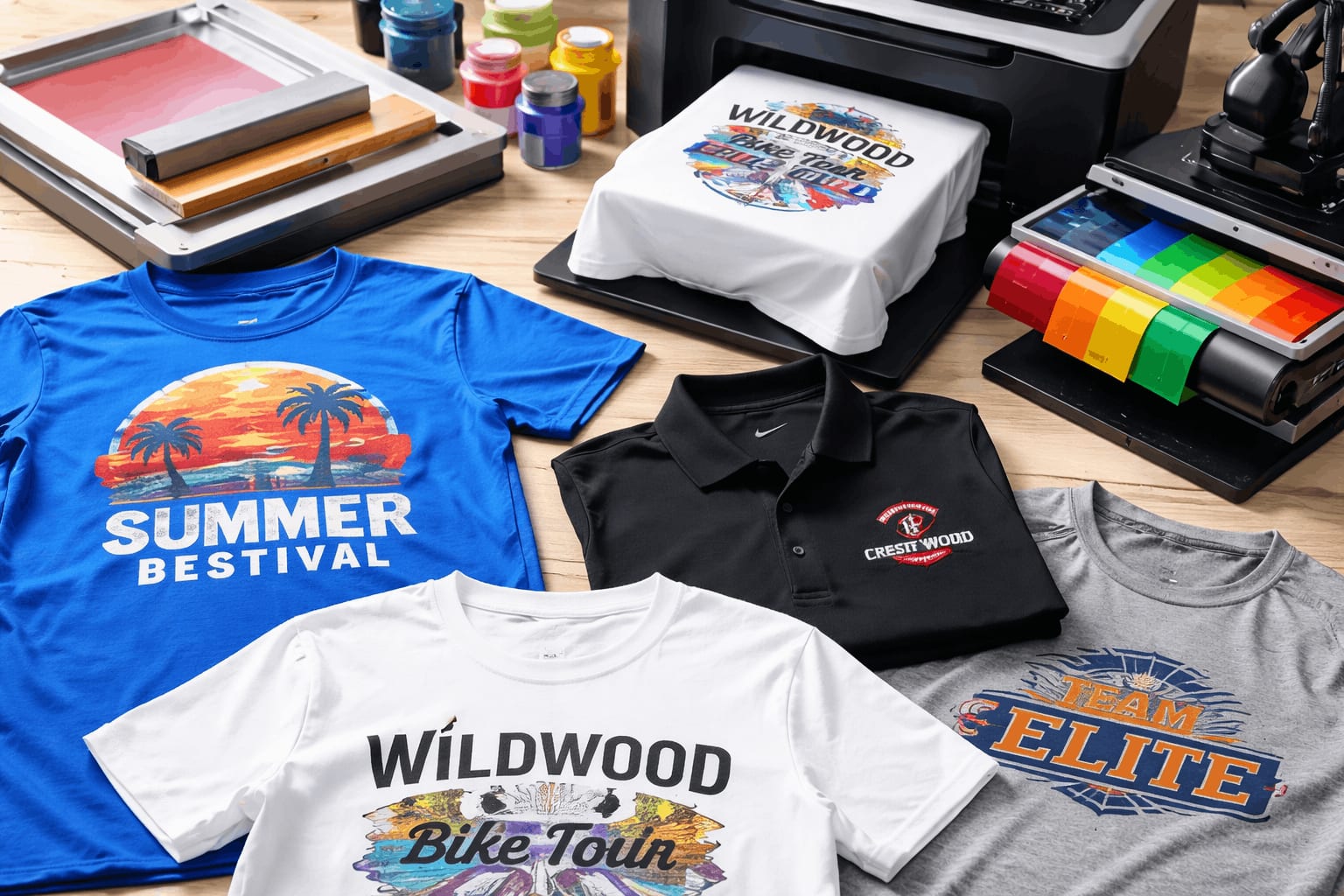
A complete guide to custom t-shirts covering printing methods, fabric choices, use cases, and how to choose the right option-from low-cost giveaways to premium branded apparel.
Custom t-shirts have evolved from simple promotional giveaways into powerful branding tools used by businesses, events, and fashion brands alike. Whether you’re ordering hundreds of low-cost shirts for a trade show or investing in premium apparel that rivals retail brands, understanding your options is key to making the right decision.
This guide breaks down everything you need to know-from materials and printing methods to cost considerations-so you can confidently choose the perfect custom t-shirt for your needs.
Why Custom T-Shirts Are Essential for Businesses and Events
Custom t-shirts are more than just clothing-they’re mobile advertisements.
They help:
- Increase brand visibility in a cost-effective way
- Create a sense of unity among staff or team members
- Leave a lasting impression at events and promotions
- Turn customers into brand ambassadors
A well-designed t-shirt can continue promoting your brand long after the initial interaction.
Common Uses for Custom T-Shirts
Events and Promotions
For trade shows, festivals, and giveaways, the goal is reach. These shirts are typically:
- Produced in large quantities
- Designed for maximum visibility
- Cost-effective rather than premium
Staff Uniforms & Employee Onboarding
Custom apparel helps establish professionalism and consistency. Businesses often prioritize:
- Durability
- Comfort for long wear
- Consistent branding
Retail and Fashion Brands
Here, quality is everything. These t-shirts are:
- Designed for resale
- Built with premium materials
- Focused on fit, feel, and brand perception
Corporate Gifts & Merchandising
For client gifts or exclusive merch:
- Premium quality matters
- Unique designs increase perceived value
- Limited runs can boost exclusivity
Types of T-Shirts: What You Need to Know Before Buying
Cotton vs Polyester vs Blends
- Cotton: Soft, breathable, and ideal for everyday wear
- Polyester: Durable, moisture-wicking, great for sports or active use
- Blends: Combine comfort and durability, popular for modern apparel
Weight & Fit (GSM Guide)
- Lightweight (120-150 GSM): Best for cheap giveaways
- Midweight (150-180 GSM): Balanced quality and cost
- Heavyweight (180-240+ GSM): Premium feel, ideal for retail
Popular Styles
- Classic/basic tees for promotions
- Fitted or fashion cuts for modern brands
- Oversized styles for streetwear trends
- Performance shirts for active environments
Printing & Decoration Methods Explained
Screen Printing
- Best for bulk orders
- Highly durable
- Most cost-effective for large quantities
- Limited when it comes to complex color gradients
DTG (Direct to Garment)
- Ideal for detailed, full-color designs
- No minimum order requirements
- Higher cost per unit
DTF (Direct to Film)
- Works on various fabrics
- Growing in popularity
- Good balance between quality and flexibility
Heat Transfer / Vinyl
- Perfect for names and numbers
- Great for customization
- Best suited for small batches
Embroidery
- Premium and long-lasting
- Ideal for polos, uniforms, and corporate wear
- Adds a high-end, professional look
Cost Breakdown: From Budget to Premium
Cheap Giveaway T-Shirts
- Lightweight materials
- Simple screen printing
- Lowest cost per unit
- Designed for volume, not longevity
Mid-Range Business Apparel
- Better fabric quality
- More refined printing methods
- Balance between cost and durability
Premium & Branded Apparel
- Heavyweight, high-quality fabrics
- Advanced printing or embroidery
- Comparable to retail-level brands
- Designed for long-term wear and resale
How to Choose the Right Custom T-Shirt (Step-by-Step Guide)
Step 1, Define Your Purpose
Are you creating a giveaway, staff uniform, or retail product? Your purpose determines everything.
Step 2, Set Your Budget
Understand your cost per unit and total spend. Balance affordability with perceived value.
Step 3, Choose Fabric & Fit
Match the material and style to your audience. Comfort and fit directly impact how often the shirt is worn.
Step 4, Select Printing Method
Choose based on:
- Design complexity
- Order size
- Fabric type
Step 5, Consider Branding & Longevity
Ask yourself: Will people actually wear this again? If yes, invest in higher quality.
Common Mistakes to Avoid When Ordering Custom T-Shirts
- Choosing the cheapest option without considering quality
- Using the wrong printing method for your design
- Ignoring sizing and fit preferences
- Overlooking your target audience
Expert Tips to Maximize ROI on Custom Apparel
- Keep designs clean and wearable-not overly promotional
- Invest more in shirts meant for resale or long-term use
- Choose quality materials to increase repeat wear
- Treat custom apparel as a branding investment, not just a cost
FAQs (Voice Search Optimized)
What is the best printing method for custom t-shirts?
The best method depends on your needs. Screen printing is ideal for bulk orders, while DTG works best for detailed, small runs.
What type of t-shirt is best for giveaways?
Lightweight cotton or cotton-blend shirts with simple screen printing are the most cost-effective option.
Are expensive t-shirts worth it for branding?
Yes. Higher-quality shirts are worn more often, increasing brand exposure and perceived value.
What is the difference between DTG and screen printing?
DTG prints directly onto fabric and supports complex designs, while screen printing uses layers of ink and is better for bulk production.
How much do custom t-shirts usually cost?
Costs vary widely depending on quantity, material, and printing method-from very low-cost bulk shirts to premium retail-quality apparel.
Conclusion
Choosing the right custom t-shirt comes down to understanding your purpose, audience, and budget. From affordable giveaways to premium branded apparel, each option serves a different goal.
When done right, custom t-shirts are more than just clothing-they’re a long-term marketing asset that continues to deliver value every time they’re worn.