
🧷 Corporate Merch FAQ: Everything Businesses Need to Know
Published on 20/01/2026 by Xpromo Team
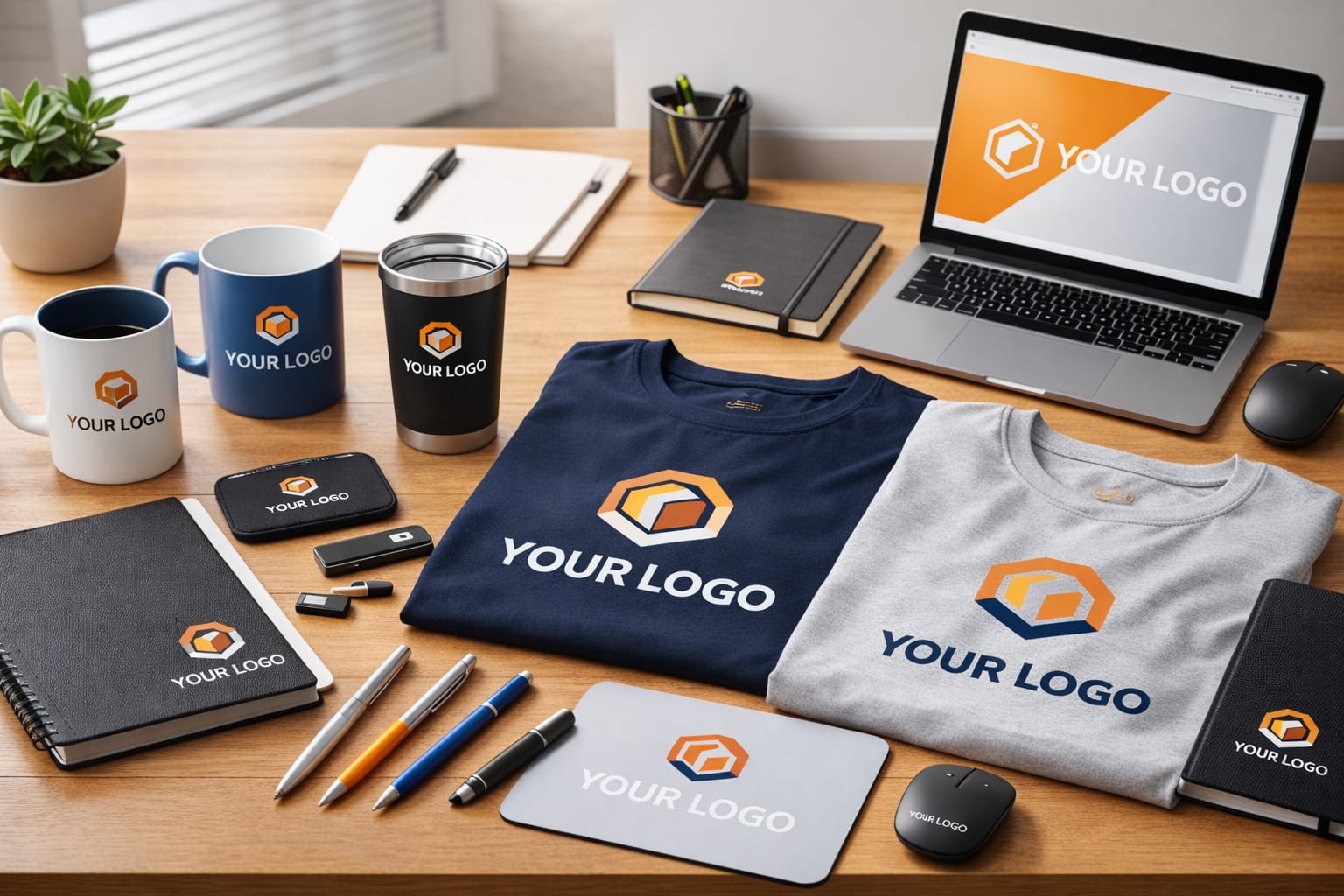
This blog answers the most important questions companies ask about branded merchandise. It explains what corporate merch is, why it matters, and how to plan an effective campaign. From choosing the right products to aligning them with brand identity and avoiding common mistakes, the article helps businesses turn simple items into powerful branding tools. Perfect for marketing teams, HR managers, and leadership looking to increase visibility, loyalty, and employee engagement through physical products.
Corporate merchandise, sometimes called promo products, branded merchandise, swag, or corporate gifts, is far more than a freebie handed out at a trade show. When done right, it’s a strategic marketing tool that can increase brand visibility, enhance customer loyalty, support employee engagement, and reinforce your company culture. In this FAQ guide, we cover the most pressing questions businesses ask when planning corporate merch campaigns.
1. What is corporate merchandise?
Corporate merchandise refers to physical branded items that carry your company’s logo, name, or message, from pens and mugs to clothing and tech accessories. These items are created to promote your brand, foster engagement, and leave a lasting impression on clients, employees, or event attendees.
Corporate merch can be:
- Promo products handed out at trade shows
- Gifts for clients or partners
- Employee swag for team culture
- Giveaways during events or milestones Each serves a slightly different purpose but all help reinforce your brand identity in the real world.
2. Why should a company invest in merchandise?
Branded merchandise delivers value that many digital ads can’t match because physical items are used and seen repeatedly.
Key benefits include:
- Boosted brand awareness, When recipients use an item like a branded mug or water bottle, your logo gets repeated exposure.
- Stronger emotional connection, Receiving a useful, branded product creates a positive impression and can boost loyalty.
- Longer lifespan, Unlike a social ad that disappears in seconds, tangible products can circulate for months or years.
- Cost‑effective reach, Promotional items often provide more impressions per dollar than many traditional advertising channels.
In short, merch becomes mobile advertising that increases familiarity and grows your brand organically.
3. How do I plan a corporate merchandise campaign?
A strategic approach ensures your investment pays off. Follow these basics:
A. Define your goals
What do you want to achieve?
- Increase brand awareness?
- Reward loyal customers?
- Boost internal morale?
- Support an event or product launch? Having clear objectives guides every later decision.
B. Know your audience
Who will receive the merch?
- Clients?
- Employees?
- Event attendees? Understanding their preferences helps you choose items they won’t throw away.
C. Pick practical products
Focus on items that people use regularly, reusable water bottles, branded notebooks, quality apparel, or tech accessories. Practicality greatly increases visibility.
D. Design with purpose
Keep branding subtle but consistent. Choose colors and placements that reflect your brand without overwhelming the item.
E. Consider sustainability
Eco‑friendly products, like reusable bags or organic apparel, align with modern brand values and appeal to conscious consumers.
F. Logistics and distribution
Decide how and when you’ll distribute your merchandise, mailed to clients, handed out at events, or as part of employee onboarding, and plan quantities and timelines accordingly.
4. What types of corporate merch work best?
The most effective items are useful, visible, and aligned with your audience’s needs. Popular categories include:
- Branded apparel, T‑shirts, hoodies, jackets (great for visibility).
- Drinkware & bottles, Constant daily use = repeated impressions.
- Office essentials, Pens, notebooks, planners remain staples in professional settings.
- Tech accessories, USB drives, power banks, earbuds appeal to modern audiences.
- Eco‑friendly products, Reusable bags and sustainable materials signal your commitment to values.
Choosing the right mix depends on purpose and audience, practical items often provide the best brand exposure over time.
5. How much should I budget for corporate merch?
Budgeting depends on purpose and scale. Important factors include:
- Item cost
- Customization/printing fees
- Design and branding work
- Shipping and distribution
Buying in bulk generally reduces unit cost, making it more affordable for larger campaigns. But avoid over‑ordering low‑value items that may go unused, quality trumps quantity.
Keeping a clear goal (like awareness vs. gifting) ensures budgeting is effective and aligned with what you want to achieve.
6. How do I ensure merch reflects our brand identity?
Merch isn’t just promo, it’s an extension of your brand. Follow these principles:
- Stay on‑brand: Use your brand colors, fonts, and messaging consistently.
- Avoid clutter: Too much logo or text can feel cheap, clean designs often resonate better.
- Match audience needs: Choose items they’ll use and appreciate.
- Align with values: If your company champions sustainability, select eco‑friendly materials.
A well‑designed piece becomes a positive brand experience rather than just another giveaway.
7. How do you track ROI on corporate merchandise?
Merch ROI isn’t only about sales, it’s also about brand impressions and engagement. You can measure success by:
- Event engagement metrics (how many items were picked up or requested)
- Social shares (people posting your merch online)
- Repeat use observations (people using items regularly)
- Feedback from recipients
Since many promo items stay in circulation for months, long‑term brand exposure is also part of ROI, and often more valuable than a single campaign snapshot.
8. Any common mistakes businesses make?
Avoid these pitfalls:
❌ Ordering cheap, useless items, recipients toss them. ❌ Over‑branding without design sense, looks spammy, not stylish. ❌ Ignoring audience preferences, not all items suit every audience. ❌ Not integrating merch with broader marketing efforts, standalone swag rarely drives real impact.
Focus on quality, purpose, and audience fit, that’s where merch succeeds.
Conclusion
Corporate merchandise is a powerful tool in any company’s marketing and branding toolkit. From boosting visibility and engaging customers to reinforcing culture internally, the right strategy turns physical items into meaningful brand connections. Plan with purpose, choose practical and aligned products, and always design with your audience in mind, and your corporate merch will become a lasting asset for your brand.